
Decoding Genetic Variation
A New Era of Detection
Access our comprehensive guide to Genetic Variation
designed specifically for researchers and clinicians.
Advance Your Genomic Insights
Discover cutting-edge approaches to genetic variation analysis in our comprehensive free eBook. Inside, you'll find:
Structural Variants: The Hidden Drivers
Why SVs — though less frequent than SNVs — account for a disproportionate share of disease risk, cancer drivers, and regulatory disruption, and why they’re still missed by standard workflows.
Why Today’s Methods Fall Short
A clear-eyed breakdown of where short reads, long reads, OGM, and FISH succeed—and where each leaves critical blind spots in SV detection and interpretation.
The Streetlight Problem in Genomics
How the field’s focus on “easy-to-detect” variants leads to missed biology, driver-negative tumors, and incomplete conclusions—and what needs to change.
From Linear DNA to 3D Genome Disruption
How SVs reshape chromatin architecture, disrupt TADs, hijack enhancers and silencers, and generate ecDNA—rewiring gene regulation in cancer and complex disease.
Detecting More with Fewer Assays
Why combining short-read accuracy with long-range structural context enables comprehensive detection of SNVs, indels, CNVs, and SVs in a single workflow.
Real-World Case Studies
Examples from oncology and genomics research showing how hidden SVs emerge when long-range context is preserved—unlocking insights missed by WGS and RNA-seq alone.
A Practical Path Forward
How linked-read approaches make comprehensive variant detection more accessible, scalable, and compatible with challenging samples like FFPE.
Scaling SV Detection Across Cohorts
How to apply comprehensive variant detection at scale without sacrificing sensitivity to complex or low-frequency SVs.
Ready to Transform Your Genomic Research?
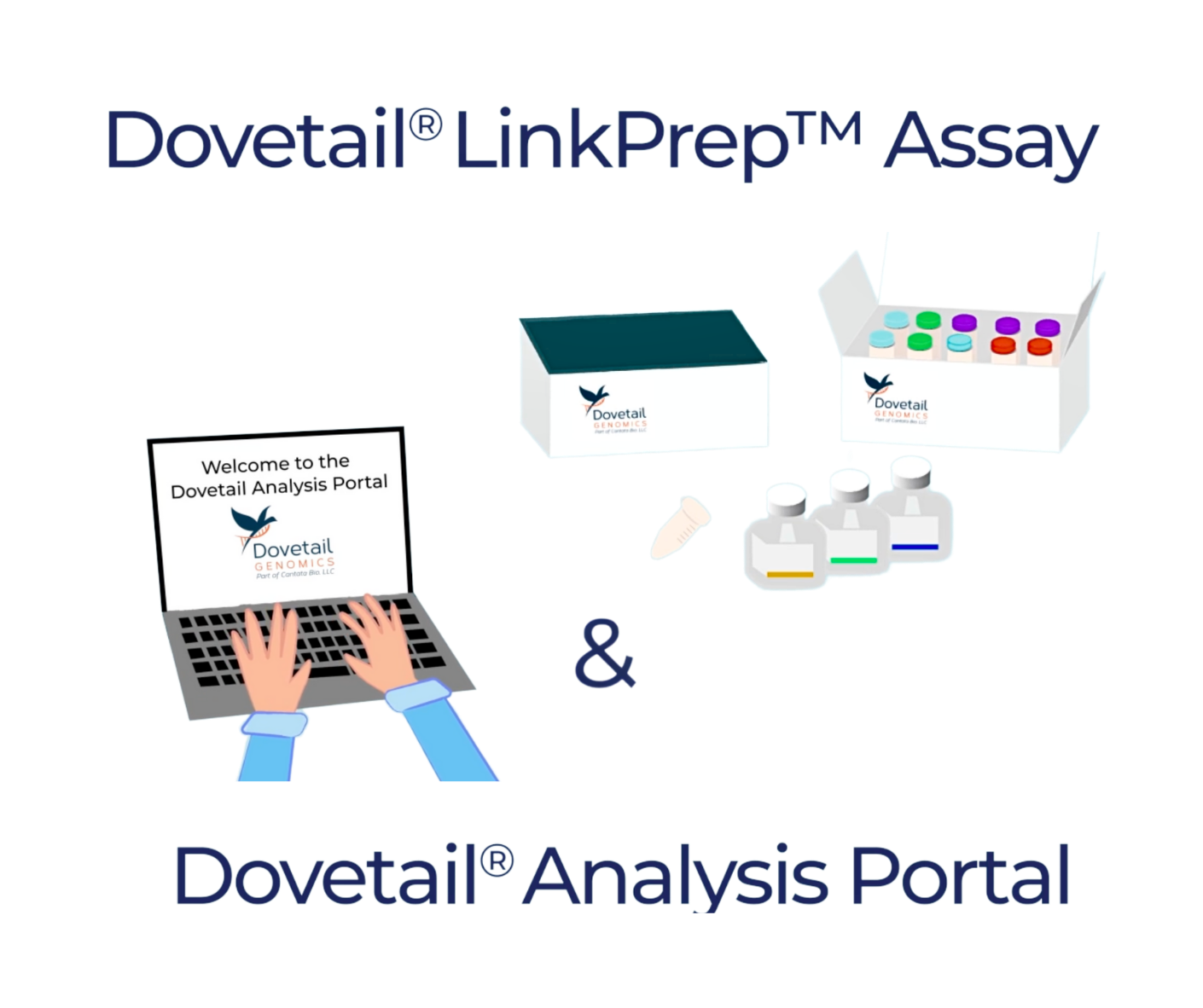
Dovetail Gemoimics' streamlined linked-read solutions empower researchers to implement cutting-edge genetic variation strategies with precision and confidence. Transform your research journey from sample preparation to comprehensive data analysis.
How does the technology described in the eBook improve variant calling accuracy?
Dovetail's linked-read technology captures long-range genomic information while maintaining short-read accuracy, enabling de novo somatic genetic variant detection — including SNVs, indels, CNVs, and structural variants — with a significant reduction of false positive rates and an improvement of variant calling accuracy in complex genomic regions through enhanced haplotype phasing and structural variant detection capabilities.
What laboratory equipment is needed to implement the technology described in the eBook?
What support is available for data analysis after implementing these technology?